DISPLAY BOARD ② RECREATION
(This is a copy of the information on the Heritage Trail display board.)
STRATHBLANE BOWLING CLUB, 1907
On 11 May 1907 “a large gathering of all classes” turned out for the grand opening of Strathblane’s new bowling green. John Wilson of Carbeth Guthrie was the driving force behind the project. He not only persuaded ratepayers to use funds left from a previous defunct bowling club but guaranteed to make up any deficit and donated the club house. A rent of £3 a year was agreed for half an acre at Wester Leddriegreen. Members were charged 10/6d a year. Links were established with neighbouring bowling associations and Strathblane was soon performing well in the district league.
In 1922 a perpetual lease was granted and in 1935 a junior section created for 14 to 16-year-olds. During both World Wars SBC organised events to support the war effort. A wooden extension was added in 1950 and the 75th anniversary in 1982 was marked with a major refurbishment. Occasional unwelcome guests have included moles and on one occasion a stray bull from the neighbouring farm.
In 1971, despite some local objections, members voted for Sunday opening of the green. Interest in bowling has waxed and waned over the years, with ladies always playing a major role. The first female prize winners were recorded in a pairs competition in 1921. In 2007 the club celebrated its centenary. The club has always enjoyed a lively social programme.

THE VILLAGE CLUB, 1911
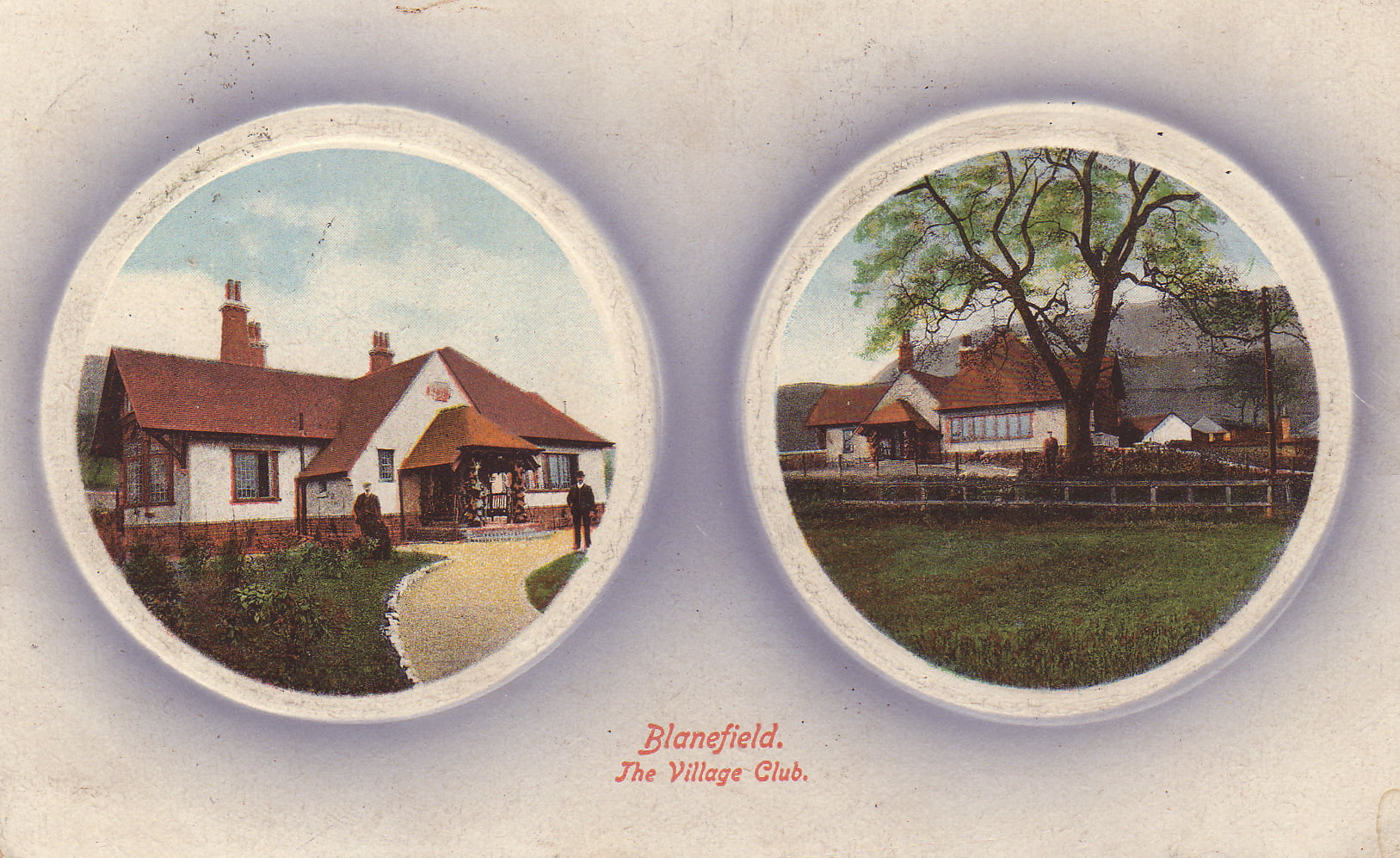
The charming Arts & Crafts style Village Club was opened on 22 June 1911 to coincide with the coronation of King George V and Queen Mary. It was donated to the community by Clyde shipbuilder Sir Alfred Yarrow, who lived at Campsie Dene House. He also provided a £550 endowment. The nine-strong organising committee was to include both the parish and United Free Church ministers and two lady members.
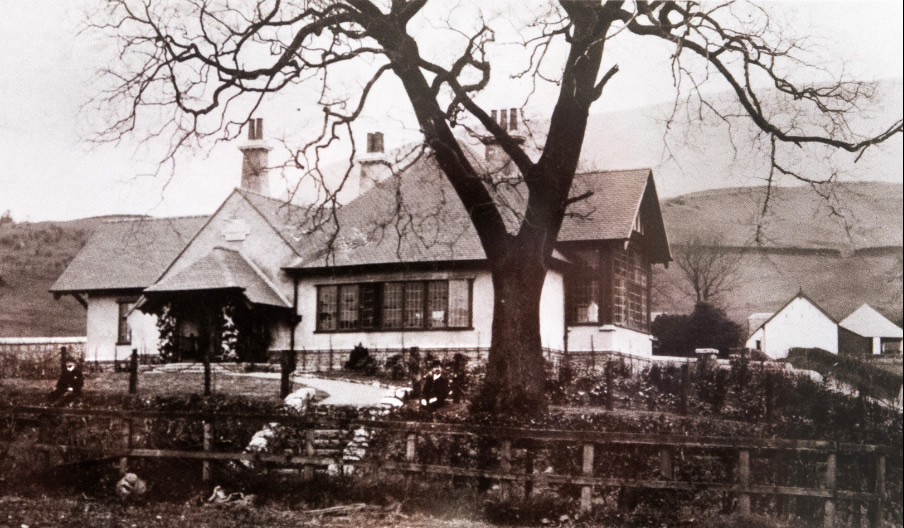
Initial activities included “summer Ice” (a table-top version of curling), billiards and snooker, as well as housing the village library. The club was to be non-political and non-sectarian and no alcohol was allowed on the premises. Annual subscriptions were ten shillings for families, four shillings for men and two shillings for women. Until the 1970s there was a resident caretaker. In 2011 the Lord Provost of Stirling hosted a civic reception to mark the club’s centenary.
The building has benefited from a number of grants to upgrade and renovate it. No longer a membership club, it is now available for hire. The club hosts concerts, committee meetings, charity events, social gatherings and classes ranging from Pilates to painting. The popular Hogmanay party is a hardy annual. (The demon drink is no longer taboo).
STRATHBLANE TENNIS CLUB, 1913
Like the Village Club, the tennis courts were donated to the community by shipbuilder Alfred Yarrow. This followed a complaint from his cousin, Eleanor Barnes, that while “the men and youths of the village had their games of football, bowls, billiards etc, there was no game for the young ladies”. Eleanor later became Yarrow’s second wife. Early members included several who would perish in the First World War.

This friendly club has sometimes boasted up to 100 members, including a healthy proportion of juniors and beginners. Its long-established coaching programme, using accredited Lawn Tennis Association coaches, is deservedly popular. Youngsters aged four or five and upwards practising their skills is a familiar sight in the summer months.
The courts were surfaced in traditional red blaes until 1998 when the club summoned the finances to replace this with all-weather tarmac. The courts have floodlighting and the club welcomes pay-to-play users.
It retains its distinctive 1920s clubhouse. In 2013 members donned boaters and vintage costumes to celebrate the club’s centenary. For many years teams have competed in the LTA’s Central Scotland district league and have often emerged triumphant.
That was certainly the expectation when one pleasant summer evening in the late 1990s a pair of Strathblane players headed for Dunblane for a doubles match in the Central Scotland League. They found two young boys knocking up. No problem, they thought. Mistake. The wee laddies were called Jamie and Andy Murray!
THE EDMONSTONE HALL, 1926
The Edmonstone Hall stands on the site that was used for recruiting rallies during the First World War. One of the casualties in that conflict was 19-year-old William Edmonstone, whose younger brother Charles then became heir to the Duntreath estate, which covers part of the parish.
The hall was the brainchild of Charles Edmonstone’s American-born wife Gwendolyn. She saw it as a way of benefiting the parish and bringing the community together after the loss and trauma of the war.
Young Mrs Edmonstone personally oversaw the design and decoration and even supplied the piano. Like the Village Club, the hall was built by local craftsman Daniel Muir. It is a brick building, harled on the façade, with roof timbers of Oregon pine.
The building was endowed by public subscription with donations ranging from £100 from Professor Archibald Barr of Mugdock to one shilling from a Mrs Holmes of Burnside Row.
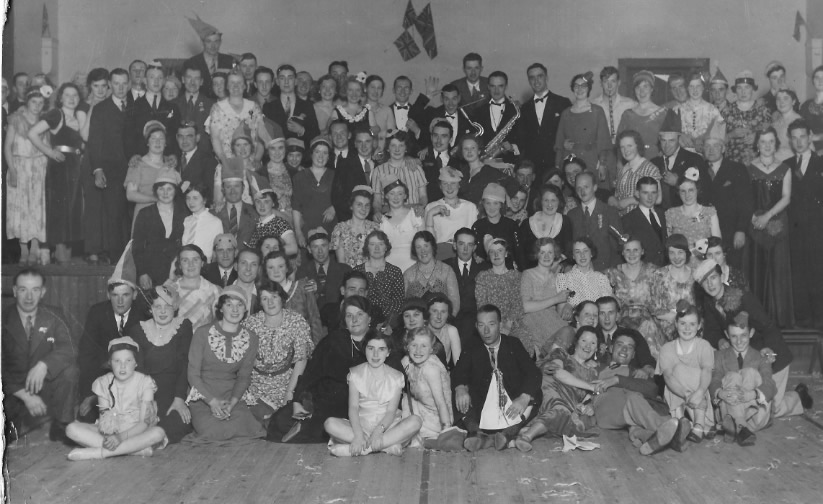
The grand opening took place on 29 October 1926 before a large crowd and the day finished with dancing to a live orchestra. A report of the occasion expressed the hope that the Edmonstone Hall would be “a boon to the people of the district for years to come”. So it has proved.
Over the years the hall has rung to the sound of numerous parties, wedding receptions, concerts, plays and ceilidhs. It hosted the local playgroup before the building of the school nursery. The small lesser hall at the rear of the building was the location for the long-running Pensioners’ Lunch Club.
For many years the Edmonstone Hall hosted lively Burns suppers and hilarious village pantomimes that brought the generations together.
From its early days children’s dancing classes have ensured the continual patter of tiny feet and it is the local base for Strathendrick Pipe Band Association. And it is regularly used as a polling station. The hall’s centenary was marked with a party and exhibition in 2026.
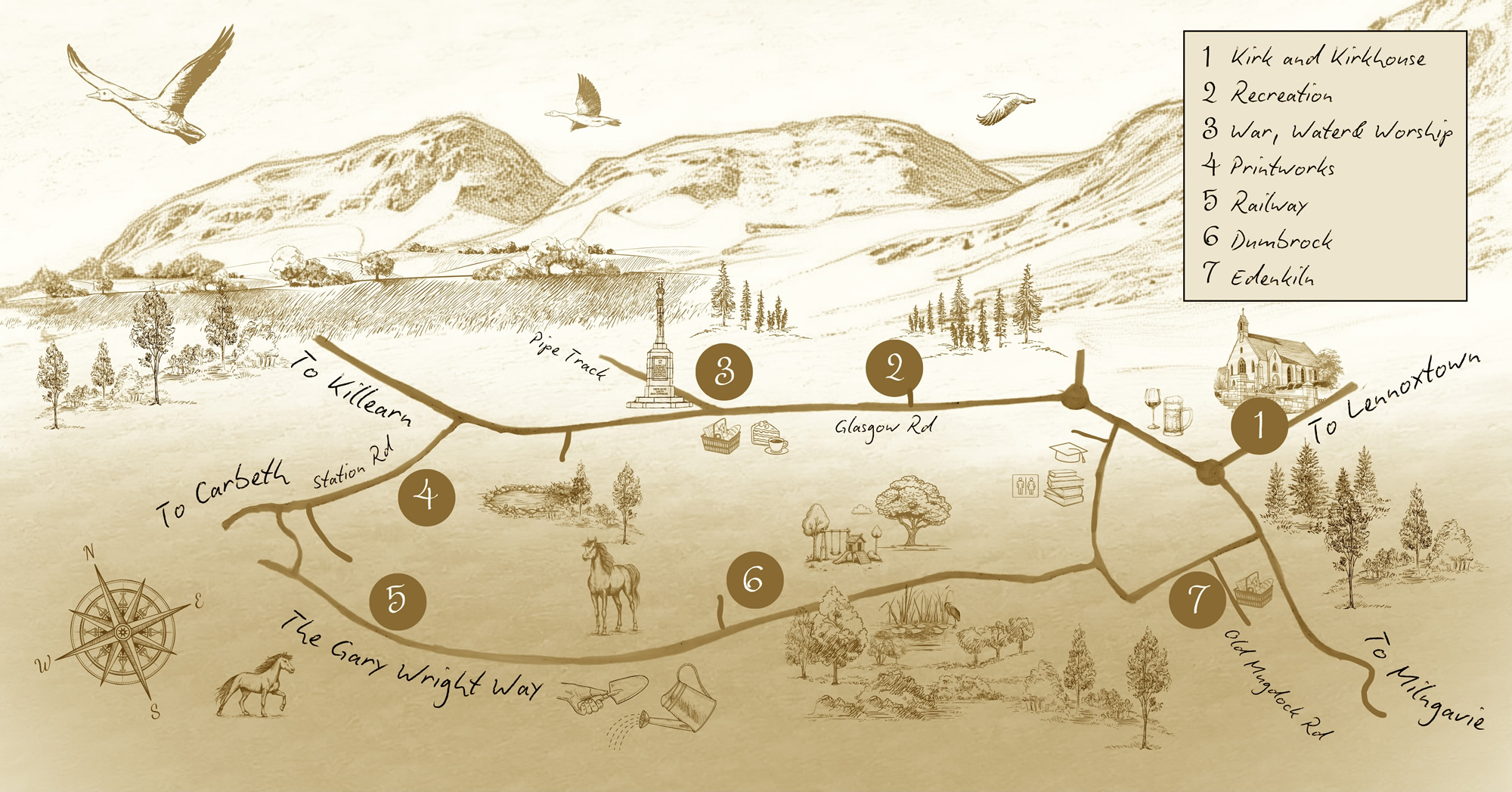
The Bowling Club is beside the Village Club and the tennis courts are behind it. The Edmonstone Hall is across the road, nearby.
HERITAGE TRAIL MAP
FURTHER INFORMATION
Strathblane Bowling Club: “Blanefield Bowling Club (see below) had been formed in 1880 with the blessing of printworks proprietor, Anthony Park Coubrough, who donated the green on land between the works and the station yard.

In 1907 the club moved to new premises leased from Leddriegreen Estate. It celebrated its centenary on the same site in 2007.
Note: A history of Strathblane Bowling Club is being prepared for the website. In the meantime, a paper copy of History of Bowling in the Parish of Strathblane (published 1996) by Murray O’Donnell is available at the Thomas Graham Community Library, Strathblane.
The Village Club:
In June 1911 the Village Club was opened, coinciding with the coronation of George V. Donated to the community by Mr (later Sir) Alfred Yarrow, the Clyde shipbuilder, who lived at Campsie Dene House, it replaced the club that had functioned in the old cottage in Dumbrock Road. The new club, which is a charming example of the Arts & Crafts style that was much in vogue at the time, was built by Muir Brothers and offered a range of activities including billiards, snooker and a reading room. No intoxicating liquor was to be consumed on the premises. Annual family membership was 10 shillings. The Village Club is no longer a membership club and alcohol is no longer taboo. It continues to host many activities, ranging from dog training classes to Strathblane Heritage meetings. For further information contact: https://villageclub1911.org/
The Edmonstone Hall: For inquiries and bookings, contact info@edmonstonehall.co.uk