In June 2026 P7 pupils at Strathblane Primary School tackled a project in which they were asked to imagine being young employees at Blanefield Printworks. Here are two particularly impressive samples of their work. Both girls chose to describe the events surrounding the tragic accident in 1864 when a boiler exploded, killing seven workers, including three children.
Note: Both our young authors use artistic licence to include the vehement opposition of local minister the Rev William Hamilton to the use of child labour. It should be pointed out that Rev Hamilton's tenure in Strathblane Parish ended when he died in 1835, nearly two decades before the explosion at the printworks. Within a decade of the explosion, the Education (Scotland) Act of 1872 made education mandatory for five to 13-year-olds.
Maisie wrote a dairy in the name of Lizzie Brooks:
8th of September 1864
Dear Diary,
Today was just like any other day, I suppose. Breakfast was the usual - porridge. But for a treat, mother allowed me to have a scoop of jam on top as it was my 9th birthday, and my 2nd year working at the printworks. I have heard of wealthy families who enjoy cake and warm tea for birthdays, but for us it’s porridge with some jam or honey as a special treat. People sometimes pity me once they hear that Mr Coubrough has been particularly nasty or that we had to work overtime, but honestly I find it ok. That is because I don’t know anything else.
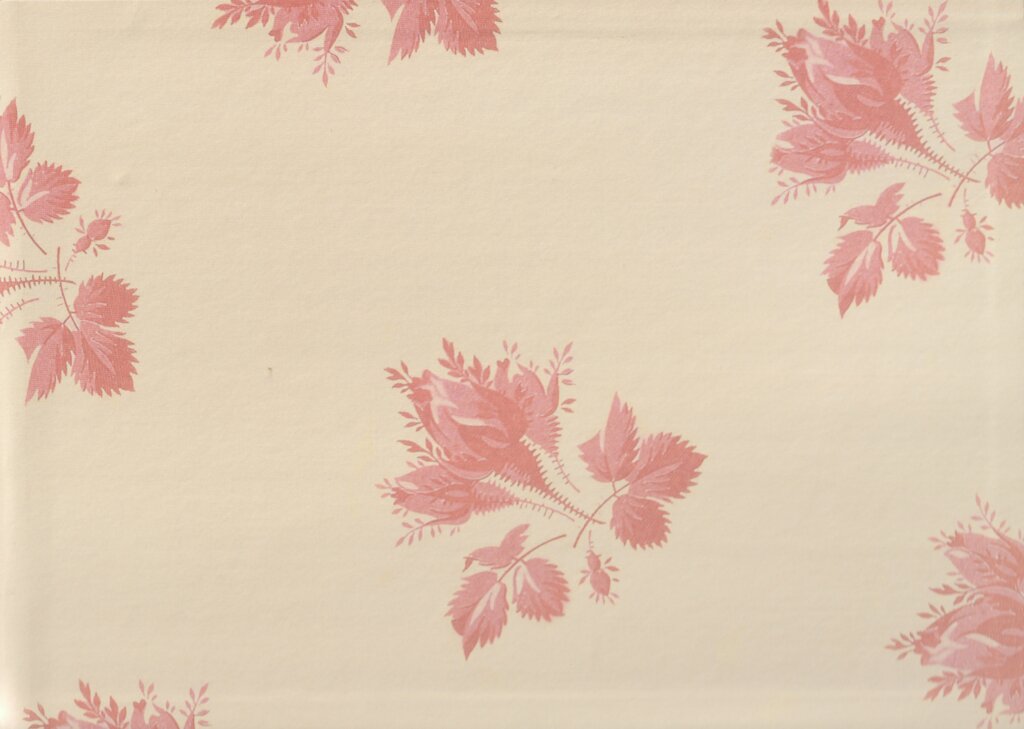
A few years ago, I did go to school, but then the teachers told me at only seven years old I was ‘very intelligent’ and that they ‘have taught me everything they can’ and the next thing I know I’m packing my things and working long, tedious hours at one of the only forms of work in the village: the printworks. There are around fifty of us kids, and it feels like there must be millions of adults all bustling around the place (actually, I overheard Mr Coubrough saying that there were only 450 adult workers, but it feels more crowded than that). My job (a tearer) is mainly putting lots of different dyes onto blocks for the adults to make into beautiful patterns on cloth, but we are paid only two shillings a week and regularly beaten. Now I have become used to the shout of ‘Elizabeth Brooks! Get to work or your pay is reduced by a shilling!’
But today the boss was in a terrible mood and made us work overtime by two hours and kept glaring at me as I ate my measly packed lunch - cold tea with a small cheese sandwich and a tiny handful of dried fruit (my very favourite, but I only get given that on VERY special occasions.) After lunch break was over, we weren't sent home until 8:30 pm and it was horribly dark on the way back. Mother greeted me with a kiss on the head and told me in a solemn voice that there was nothing left for dinner and the local shop (run by Mr Coubrough) was closed for the night, so we would have to go early in the morning and try to get some bread for my lunch the next day.
9th of September 1864
Dear Diary,
I could hardly even bring myself to lift up my pencil, let alone write a whole entry. But Mother insisted that I must and that my diary was expensive and should be used. So, here I am, bathing in misery and in great pain, both in my mind and my body, telling you all the events that I went through on this strange day.
The day started as the day before had, and the day before that and the way all the days in the past working at the printworks had started. I had a small breakfast of plain bread and endured a quick wake-up to beat the rush to work while the night was still hovering in the cold air. I was to meet my best friend: John Tennant. He is (or was) an amazing person and we always walked down to work together and then stood in neighbouring benches despite him being 15 and me being 9. I suppose it felt like he was my big brother as I have no siblings of my own. Often we would trade part of lunches and tell stories and imagine we were in school, not the printworks.
As we were approaching our benches, there was a very faint hissing sound that was barely audible, but sounded to me like snakes all down in the boiler rooms, but John said I was being silly and if the noise was still there by 20 past 4 in the afternoon, we would go down and investigate. At the time I thought it to be a great idea, but now I see that we should have stayed where we were.
The day was long and tiring, and incredibly boring. So, by the time 20 minutes past 4 swung around, I was determined to find out about the noise from the boiler room. As me and John crept around, we saw about 10 others crowding around one boiler in particular. John went first, and by the time we realised what was about to happen, it was too late.
John was killed along with 6 others. I was burnt badly along my leg, but the adults and the boss didn’t see me as they tried to determine what happened. I overheard someone whispering about “sawdust used to stop a leak blocking the safety valve”. What had happened was the boiler was blocked in some way and then all the boiling water burst out and the whole thing exploded. But I shall live on and endure the rest of my time at the printworks. John Tennent - died 4:20pm 9th of September 1864.
10th of September 1864
Dear Diary,
After yesterday, I was surprised to find that I was OK, and that the printworks had opened as usual as if nothing had happened. Today was meant to be a ‘good’ day as we were sent to school for the whole afternoon to learn basic spelling, arithmetic and other things we do not get to experience at work. However, I did find it hard to enjoy much as I was incredibly frustrated as everyone pretended nothing had happened yesterday. Like no lives were lost.
But despite me grieving for my friend, today WAS a good day, not only because of school, but because I met someone who speaks up for us kids, every working child's hero: the Reverend William Hamilton. See, I was walking down towards the printworks, as I saw a man up unusually early, and then he turned to me and smiled and shook my hand and gave me a small bar of chocolate and a handful of pennies. He later explained who he was and expressed how outraged he was at Mr Coubrough for letting children work at his factory. Alas, there was nothing much he could do but it certainly made me feel better to know someone cared, plus, this way when I came home, I was able to please mother with money for a proper dinner tonight.

In the afternoon we were allowed 4 hours of school two times a week, and today was a school day, so it was a little better than having to work. It was interesting, but it is hard to enjoy when you see some other children who are able to go to school every day complain and watch the time until they are permitted to leave. If I were in school, I would treasure every moment, but mother needs me to bring whatever money I can so that we are able to have a roof above our head and food to eat. So, here I continue, working the hours away at the printworks, enduring the boss beating us, enduring the business, all day long, every day.
Lizzie Brooks xxx
Extra!!
1910
It has been many years since I have written in this book. However, my entry is one of great joy, as today I tell you that the printworks closed down many years ago, (1898) and today is the day that the great chimney is to come down. Signalling the end of the printworks in Strathblane. But I do feel for the families of these children, as many, well actually half, of the population has moved to places like Balloch to try to get the children to work in the printworks there as they are so desperate to have a wage coming into the family. I know this because I know how much my mother depended on my wage. Despite this, I can’t help but feel happy and know that John Tennant would have been happy too.
Elizabeth Brooks xxx
Thank you for reading my entry on life as a child in the printworks. The story of John Tennant is sadly true, although Lizzie is a made up character. Mr Coubrough was a real person and so was the Revered William Hamilton, though he had died quite a while before the 1864 accident.
Lilla wrote her diary in the name of Ellen Dunnion and imagined being the sister of one of the children who was killed in the accident:
Thursday 8th September 1864
Dear Diary,
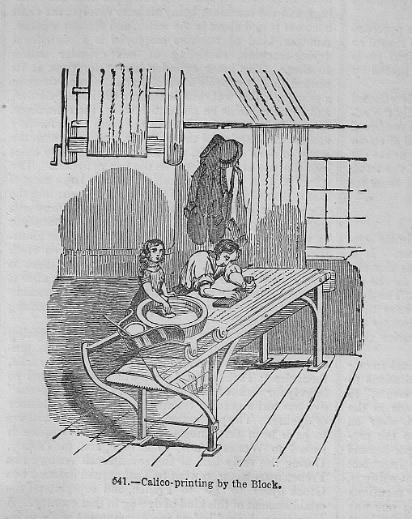
Just a normal day today. I got up at 5 am, put on my dress (my mum just cut me a new one from one of her old ones). Had my breakfast (plain porridge), said goodbye to mum and headed off to work. I got to the Printworks at 6 am and went straight to work, painting the dye on to blocks for the printers. Then I had my first break and had my lunch. After I finished my bread and potatoes, I went back to work. I saw ma pal, Abigail Tennant who’s even younger than me, and I’m 10. She’s only 8. Her brother John was late three days in a row, so like everyone else who is, got fined a farthing. He’s a tearer like ma brother.
The Reverend Hamilton across the road says that our parents shouldn’t be sending us to the printworks because we don’t get the education we need. But my family needs the two shillings a week that I make for food. That, and Mr Coubrough says that we’ve already had our education and we don’t need any more. He isn’t the best boss, but I don’t mind, apart from when he’s in a bad mood and makes us stay in for overtime. Sometimes I have to stay at work till eight at night!

Me, my 12-year-old brother Patrick and Abigail ain’t the only children here; there are fifty others. Ma mum says there are four hundred and fifty adults, but it feels like much more.
There’s only an hour left till the end of the day, and it’s almost the end of the working week (considering all there is left is Friday and Saturday morning because we get the day off on Sunday).
I wish I could work in Mr Coubrough's food shop instead of here. That’s where we get all of our food: our porridge oats, vegetables- cabbage, carrots, potatoes and leeks- a little bit of meat that we get for lunch on special occasions, brown bread and a few sweet treats (if we're lucky).
It was time to go home (7:00) when I realised I’d gone into a daze and was being shouted at by Mr Coubrough, saying “That’s one penny off your wages!” Seems he was in a bad mood.
When I got home, my mum, dad, brother and two sisters were already eating a dinner of porridge, so I sat down. Everyone was so tired that no-one spoke apart from when I was told to go to bed.
Friday 9th September
I got up and had my breakfast (I had a bit of strawberry jam in my porridge this morning, what a treat!) and went straight to work. It was a normal day until about 4:00.
Me, Abigail, our brothers and some other people were working near the boiler when it started hissing badly. We tried to tell the boss, but he just said to get back to work.
Just before 4:30, it got ever worse, so Abigail and I went away to have an early break to get away from it. Then we heard an almighty hiss and splash. We rushed over to the boiler, and we found out that the boiler that was hissing had malfunctioned and exploded. And as we realised what had happened, it struck me that all those people in that room were dead or going to die, along with my brother Patrick.
Once we got everyone out, we counted the dead. Six dead, including Patrick and Charles Ramsey, who was 16. They were both so young you can hardly believe it.
Three men and one woman were badly injured and three men were slightly harmed.
We went over to John Tennant, Abigail’s brother, to see what had happened to him and we realised that he was not long for this world.
I thought I had the worst of it with my brother. But then I understood that it must have been devastating, watching as the life drains out of someone you love. Watch as they stay but go away from you, out of reach.
Soon the death count was seven.

I walked home by myself, thinking over the day. It must have been the sawdust they put in to stop the leaks. What a feeble reason for such a horrible thing to happen. For so many people to suffer such a terrible fate.
Sadly, it was my job to tell my parents the awful news. They cried so hard I couldn’t take it anymore, so I went up to bed early and cried myself to sleep.
Sincerely,
Ellen Dunnion
See also Blanefield Printworks. For more about the Reverend William Hamilton, see Parish Church (1216-1982)