DISPLAY BOARD ⑤ THE RAILWAY
(This is a copy of the information on the Heritage Trail display board.)
Memories of the Blane Valley Railway 1

Railway Mania
By 8.30 on the morning of Monday 1 July 1867 an excited crowd had gathered near this spot to greet the community's first passenger train. Britain was in the grip of railway mania. The 1861 Blane Valley Railway Act provided for land purchases, engineering work, construction and the issue of shares in the project, which had several enthusiastic local backers.
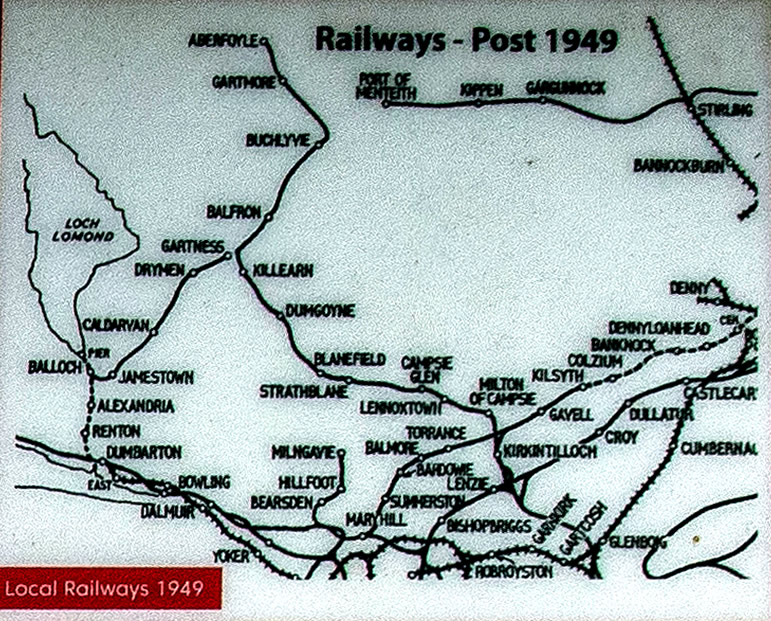
The work to extend the Campsie Railway by around eight miles from Lennoxtown to Sauchie (outside Killearn) was completed in three years and four months at a cost of £47,195 8s 2d. It was operated by the North British Railway Company, which had put up much of the capital. It was a single track line with stations along it at Campsie Glen. Strathblane, Blanefield and Dumgoyne. The journey time from Blanefield to Glasgow was around 45 minutes and involved a detour via Kirkintilloch.
Blanefield Station
Blanefield had a wooden island-style station with a line on either side, providing the means for trains to pass. Access to the platform was via a footbridge at the signal box, which also controlled the level crossing on Station Road. There was a loop, an end loading bay and a goods shed


Produce & People
The line had opened for freight in 1866 and was expected to carry mainly agricultural produce into the city (especially milk, which hod previously been transported via Balloch). It was also intended to open the area to tourism and from 1882 a link with the Strathendrick and Aberfoyle Railway enabled passengers to travel from Queen St Station to the heart of the Trossachs. A plan to continue the line to Inversnaid on Loch Lomondside was thwarted by the opposition of the Duke of Montrose.



The Holiday Resort
Following the closure of the printworks in 1898, Blanefield became something of a holiday destination for day trippers and for Glasgow families decamping for the summer to the rows of cottages vacated by printworkers. However, the combination of infrequent services and high fares meant dwindling passenger numbers on the Blane Valley line. By 1913 a 2s 6d return fare to Glasgow from Blanefield meant many preferred to walk to and from Milingavie from where the 3rd class return fare to the city centre was only 9d.
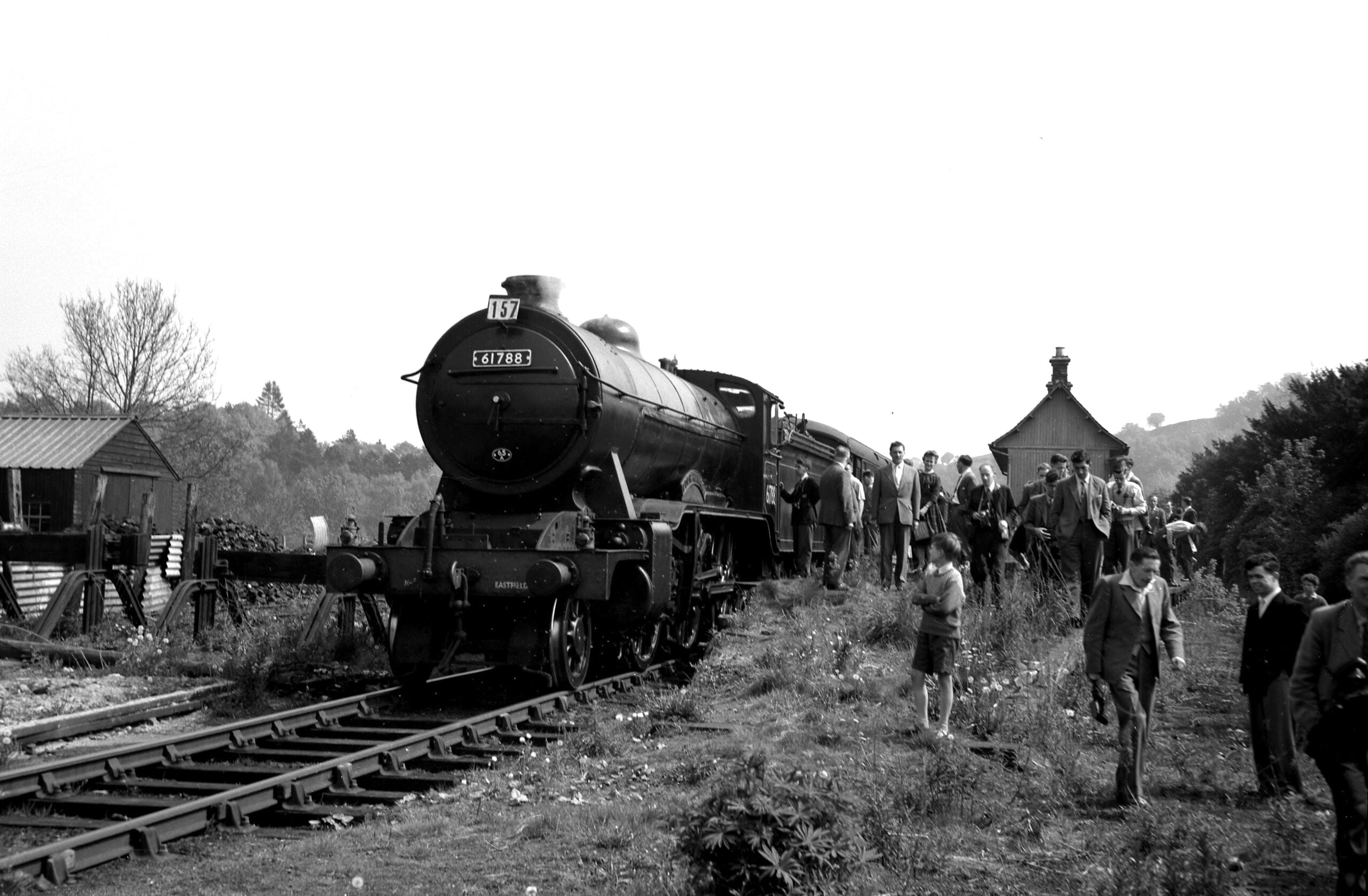
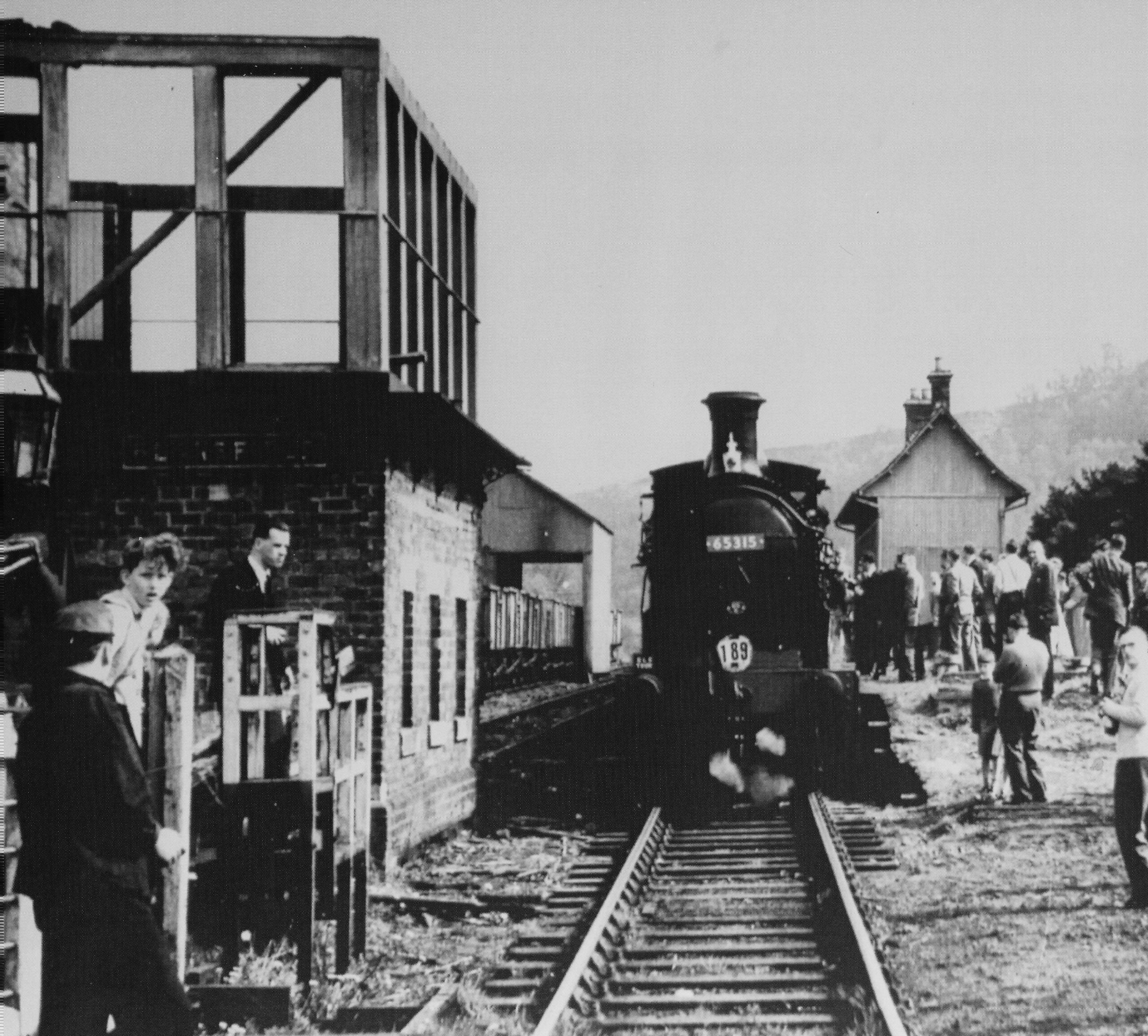
The Last Train (May 1959)
The End of the Line
By the end of the 1920s charabancs and omnibuses were running daily to and through the valley. The Blane Valley Railway could not compete on either fares or journey times. in 1934 the Forth and Clyde Junction Railway closed to through passengers, obliging travellers for the Trossachs and elsewhere to disembark into a steam railcar at Blanefield. The line was used during the Second World War to move service personnel and munitions but in 1951 it was closed to passengers and eight years later to freight. On 16 May 1959, 92 years after the line opened, a passenger special for rail enthusiasts left Queen St for a final run to Aberfoyle, stopping at Blanefield Station one last time.
Memories of the Blane Valley Railway 2
The Blane Valley Railway
THE COUBROUGHS Owners of Blanefield Print Works, Anthony Park Coubrough and his son Anthony Sykes Coubrough were enthusiastic backers of the Blane Valley Railway. It meant that coal and materials no longer had to be carted five miles from Lennoxtown or 12 from Glasgow. In 1877 a siding (still visible) was opened into the printworks, paid for by the Coubroughs. The closure of the works in 1898 was a nail in the coffin of the line.
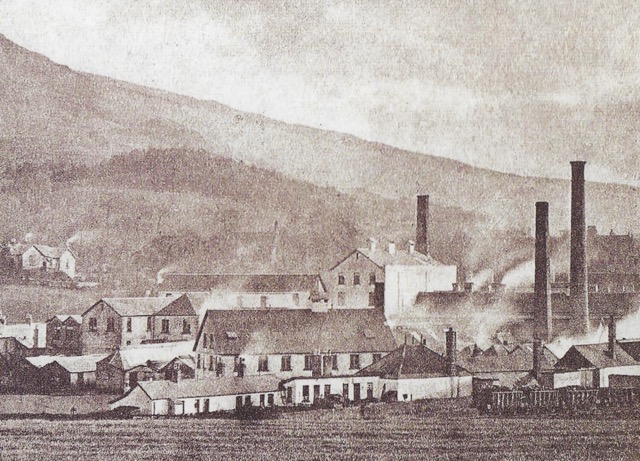
from Guthrie Smith
Alex Urquhart

From 1905 the Urquhart family from Maryhill rented a fiat in Dumbrock Road when the railway ran past on the far bank of the Blane Water across the road. Son Alex loved watching the trains from his attic window. Later he wrote: "On our right we could watch the slow train from Glasgow discharging its passengers at Strathblane Station and thus had knowledge of who came and who departed. On our left we could not see Blanefield Station but we knew when the train departed by puffs of smoky steam appearing above the hillock like the signals of the Red Indians."
Alice Keppel & Edward VII
Alice, sister of the then Sir Archibald Edmonstone, was introduced to "Bertie", then the Prince of Wales, and became the mistress whom he called "La Favorita". After he became Edward VII in 1901, they were often seen together at social gatherings and to facilitate discreet meetings a halt was constructed on the Blane Valley line near Duntreath Castle. In September 1909 the King paid an official visit to the village. Stationmaster Thomas Shanks decked the station with a huge floral display. A gangway was laid across the line and the entrance to Duntreath decorated with an archway of purple heather. Sightseers packed around the station and the monarch's arrival was marked with loud cheers. The following Monday local schoolchildren waved him off with flags and banners and scouts formed a guard of honour.

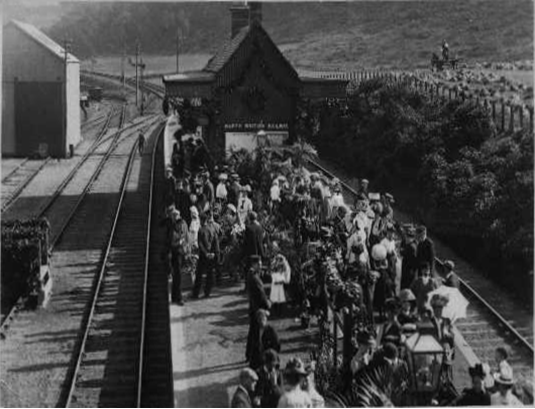


Jim Craig
The late Jim Craig worked on the Blane Valley Railway as both a fireman and a driver during and after the Second World War. He later retired to Strathblane: "I remember coming through here with a double header and 40 vans full of munitions. After the War, on a typical morning we'd come up with an engine and guard to Blanefield, then stop to pick up at every station back into Queen St.

Owen O'Toole
There were several fatalities on the Blane Valley Railway, including some suspected suicides. In September 1919 a number of newspapers reported the death of 19-year-old Irish potato digger Owen O'Toole at Blanefield Station, He had been carrying goods across the rails and failed to detect the approach of wagons being shunted against the buffers in a siding.
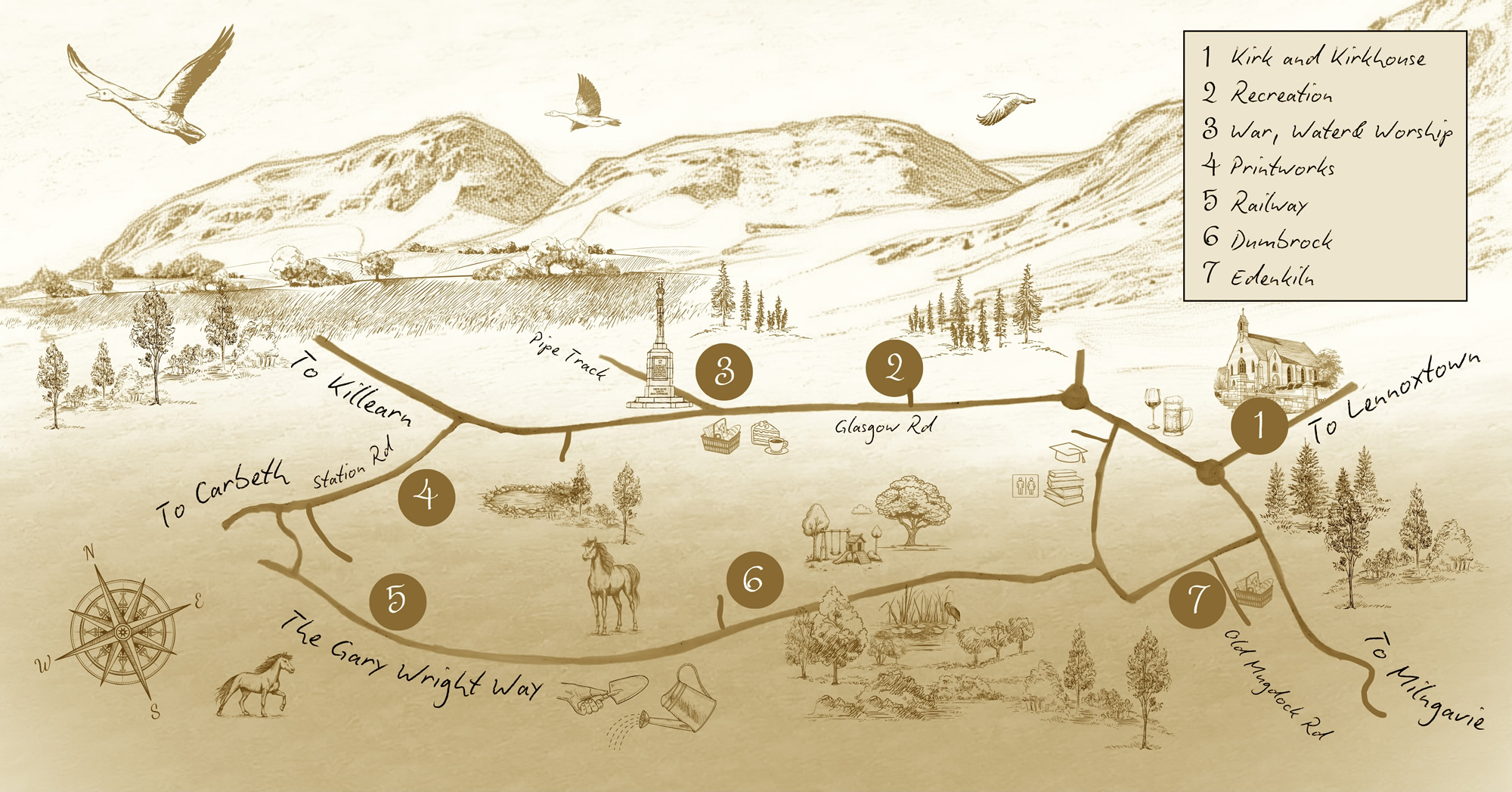
HERITAGE TRAIL MAP
FURTHER INFORMATION
The Gary Wright Way
The Gary Wright Way is named after the 22-year-old Royal Marines Commando who was killed in action in Afghanistan is October 2006. He is also commemorated on a plaque on the wall adjacent to Strathblane War Memorial and on his grave in Strathblane Cemetery. He is fondly remembered and sadly missed in the community.